
News, releases, campaigns and schedules
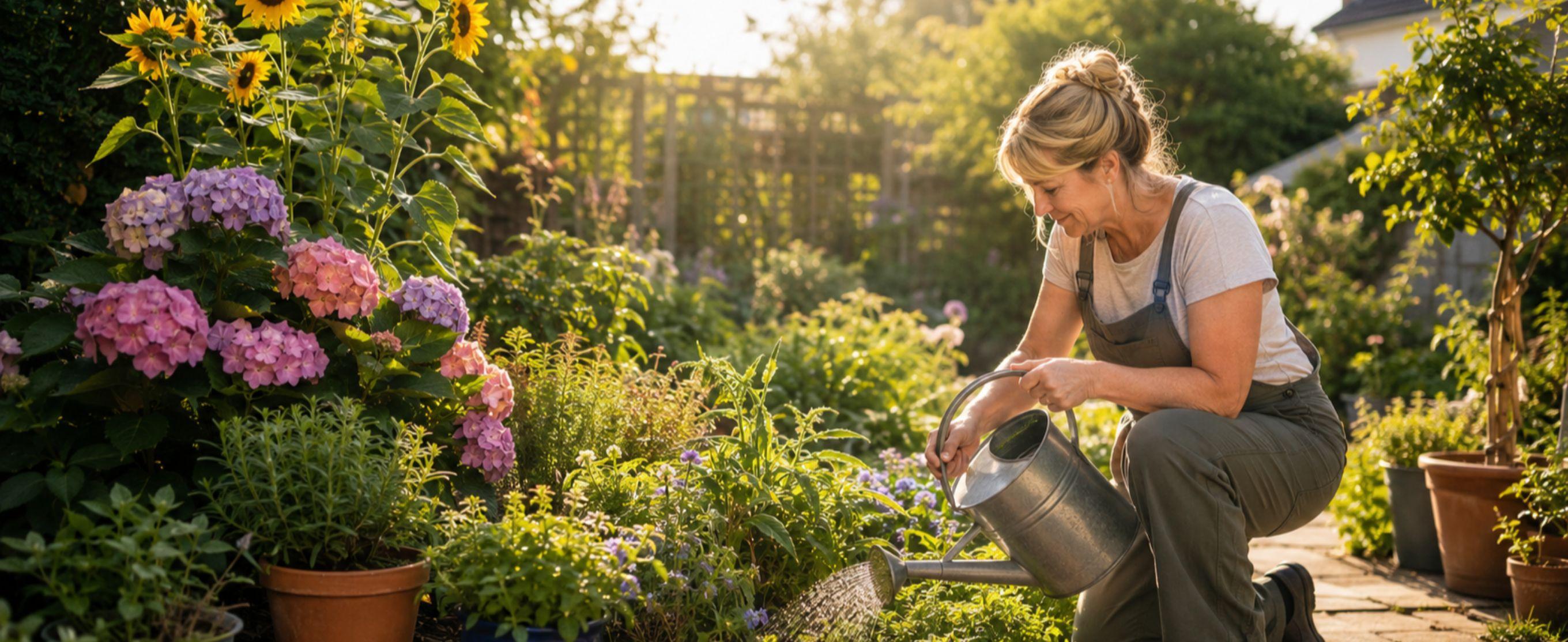
It’s a bit hot, isn’t it?
And it’s not just us feeling it. Your plants, pots, baskets and borders can all struggle when the temperature climbs.
The good news? You do not need to be a gardening expert to help them through it.
A bit of water at the right time, some shade, and a few simple checks can make all the difference.
As we often see on Garden Rescue and Love Your Garden, a good garden is not about perfection. It is about creating a space that works for you, your plants and the people you share it with.
Here are some simple ways to help your garden cope during a hot spell.
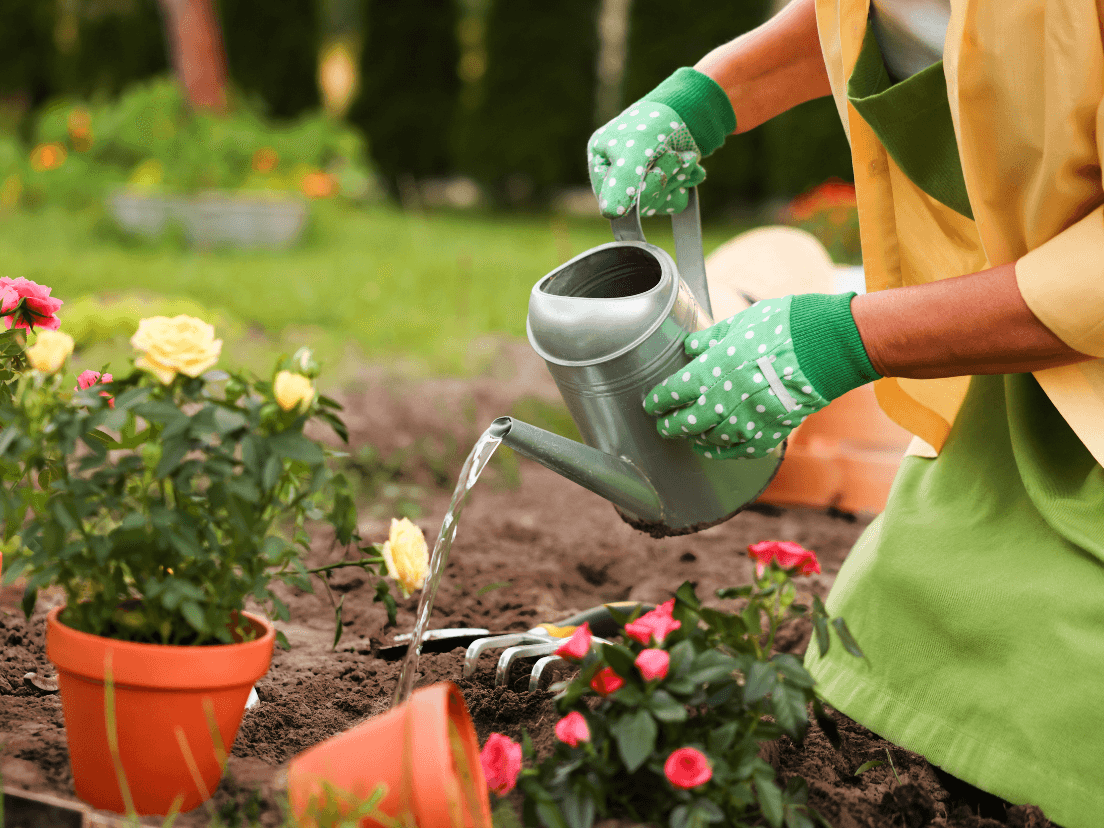
Water in the morning or evening
Try to water your plants early in the morning or later in the evening, when it is cooler.
This gives the water a better chance of reaching the roots before the sun dries everything out.
Aim your watering can or hose at the soil, not the leaves. The roots are where the plant needs the drink most.
A good soak is better than a quick sprinkle. It helps the water reach deeper into the soil, which can make your plants stronger in dry weather.
Together TV tip: Make it part of your evening routine. Pop outside after dinner, or after watching Love Your Garden, and give your pots and baskets a quick check.
Check pots and hanging baskets first
Plants in pots dry out much faster than plants in the ground.
Hanging baskets, window boxes and small containers can get thirsty very quickly in hot weather.
To check them, push your finger a few centimetres into the compost. If it feels dry below the surface, it is time to water.
If you can, move pots into a cooler spot for a few days. Even a little shade in the afternoon can help.
Pay extra attention to:
hanging baskets
tomatoes
herbs
young vegetables
newly planted flowers
small patio pots
Give your plants a bit of shade
If you are looking for shade, your plants probably are too.
Move pots beside a wall, under a tree, or anywhere that gets morning sun rather than strong afternoon heat.
For plants in the ground, you can create temporary shade with things you already have at home.
Try:
an old bedsheet
light curtains
garden fleece
a parasol
shade cloth
an upturned chair with fabric over it
It does not need to look beautiful. It just needs to help your plants get through the hottest part of the day.
That is the sort of practical garden thinking we love in Garden Rescue: using what you have, solving the problem, and making the space work better.
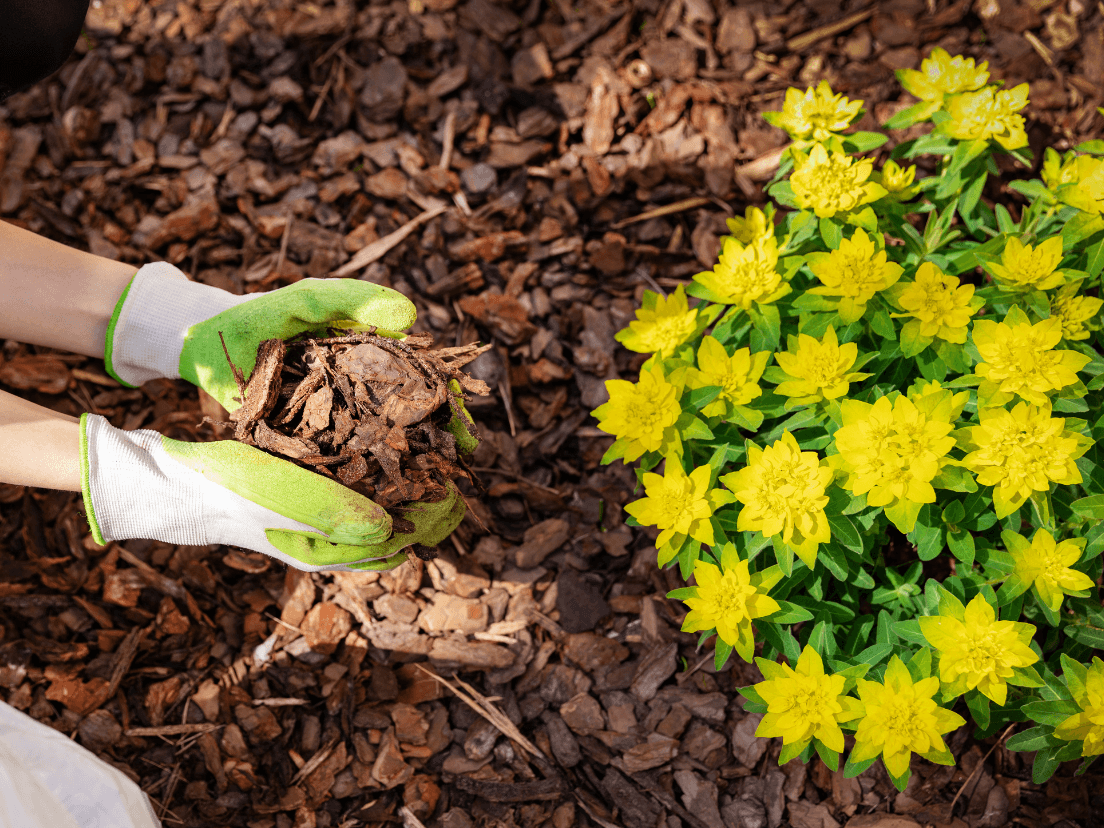
Add mulch to keep the soil cooler
Mulch is one of those simple gardening jobs that can really pay off in hot weather.
It helps keep moisture in the soil and protects the roots from the heat.
You can use:
bark
compost
straw
leaf mould
grass clippings, as long as they are not piled on too thickly
well-rotted manure
Add a layer of around 5–8cm, or 2–3 inches, around the base of your plants.
Leave a little gap around the stem so the plant does not rot.
Mulch is especially helpful around vegetables, roses, shrubs, fruit plants and border plants.
Know which plants need extra help
Some plants are much happier in hot, dry weather than others.
Lavender, rosemary, salvia, thyme, agave and ornamental grasses often cope well with the heat.
Other plants may need a little more care. Hostas, ferns, hydrangeas, astilbes and newly planted perennials can struggle when it gets very hot.
Look out for:
drooping leaves
crispy edges
dry compost
faded flowers
plants looking tired by lunchtime
Do not panic if something wilts in the middle of the day. Some plants droop to protect themselves, then perk up again later.
Check the soil first. If it is still damp, give the plant shade rather than more water.
When a plant looks unhappy, it is tempting to feed it.
During a heatwave, it is better to hold off.
Plant food can encourage new growth at a time when the plant is already under pressure.
For now, focus on the basics:
water
shade
cooler roots
a little patience
Once the weather cools and the plant looks stronger, you can go back to your usual feeding routine.
Leave the big pruning jobs for later
Try not to do heavy pruning during very hot weather.
Leaves help shade the plant and protect the soil around it. If you cut too much away, the plant can become more exposed to the sun.
You can remove dead or badly damaged leaves, but save the bigger tidy-up jobs for a cooler day.
Take extra care of new plants and vegetables
New plants, seedlings and young vegetables need a little more attention in a heatwave.
Their roots are still small, so they cannot reach moisture deeper in the soil yet.
Check them every day while it is hot.
Keep an eye on:
sunflowers
tomatoes
courgettes
runner beans
lettuce
herbs
newly planted flowers
If you are growing sunflowers, keep the soil moist but not soggy. Young sunflowers can wilt quickly in strong heat, especially in pots.
Do not forget the wildlife
Your garden visitors feel the heat too.
Leave out a shallow dish of water for birds, bees and hedgehogs. Add a few stones or pebbles so insects can land safely.
Top up bird baths when you can and place water in the shade if possible.
It is a small thing, but it can make a big difference.
Think about next time
When the heat passes, have a gentle look around your garden.
What coped well?
What struggled?
Did your pots dry out too quickly?
Was there one corner that stayed cooler?
You do not need to change everything. A few small tweaks can help your garden cope better next time.
You could try:
grouping pots together so they stay cooler
using bigger containers that hold more moisture
adding more compost to improve the soil
planting shrubs or small trees for natural shade
adding more drought-tolerant plants
using a water butt to collect rainwater
Programmes like Garden Rescue and Love Your Garden are full of ideas like this. They show how little changes can make outdoor spaces easier to enjoy and easier to look after.
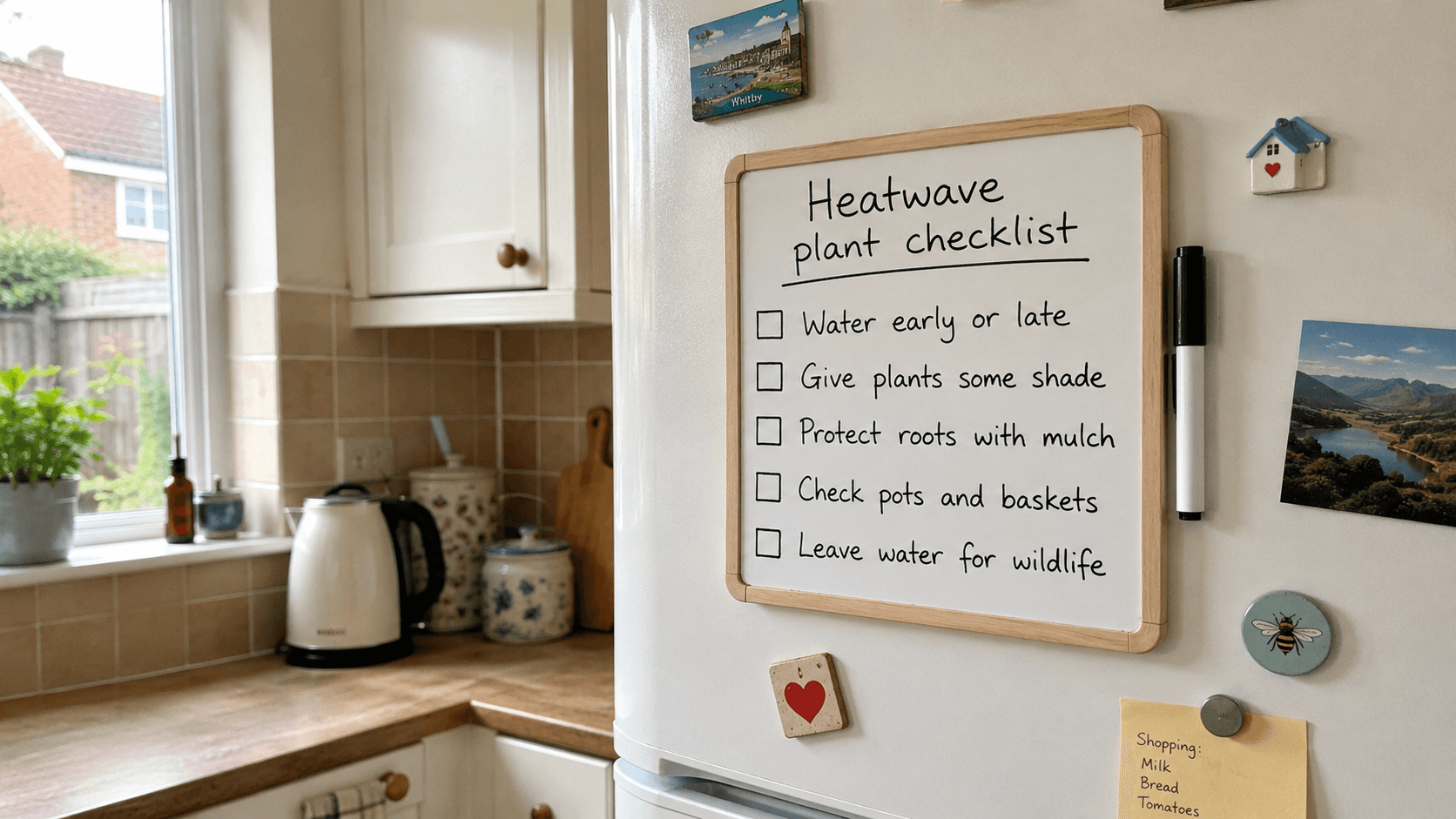
Quick heatwave checklist
During a heatwave, remember these three things:
water at the cooler times of day
give plants shade where you can
protect the soil around the roots
Keep it simple.
Check your garden little and often.
And do not worry if it all looks a bit tired in the middle of the day. Most plants, like the rest of us, just need a bit of help until the cooler weather comes back.
The gardening fun doesn’t have to stop here!
With Garden Rescue series 8 and 9 coming to Together TV every day at 11am and inspirational tips coming with Alan Titchmarsh, you’ll be on your way to create your very own garden oasis this summer. Watch Love Your Garden everyday from 6pm.
Check What’s On to find out what time each programme is showing on Together TV .
Freeview 83 Sky 170 Virgin 136 Freesat 162 or watch live here.
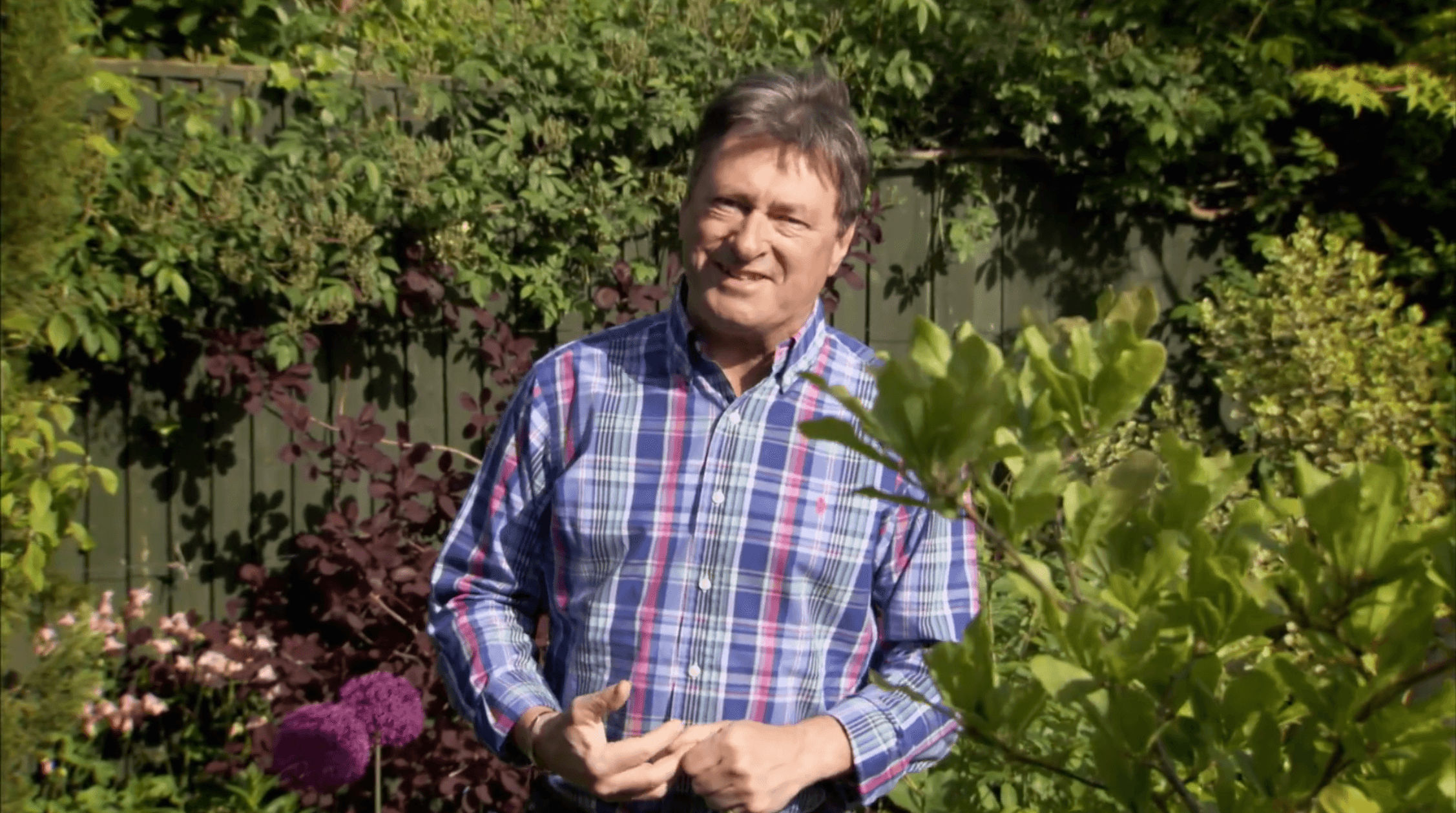
Love Your Garden
Alan Titchmarsh and the team travel the country to find the dream gardens we'd all like to have.

Garden Rescue
Britain's top gardening series transforming outdoor spaces into wonderlands.